Gong Lab Meeting
in Clown Anemonefish
Fritz Francisco
Behavioral Ecology
Social Evolution
Open-Science
Title: PhD in Biology
Position: Postdoctoral Researcher
Lab: Marine Evolutionary Ecology Lab
Prof. Pete Buston, Department of Biology
Boston University

The Buston Lab






Behavioral Ecology
Social Evolution
Population Ecology
Population Connectivity
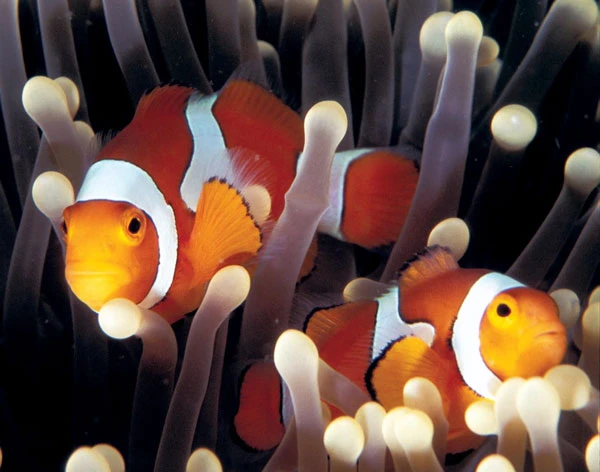
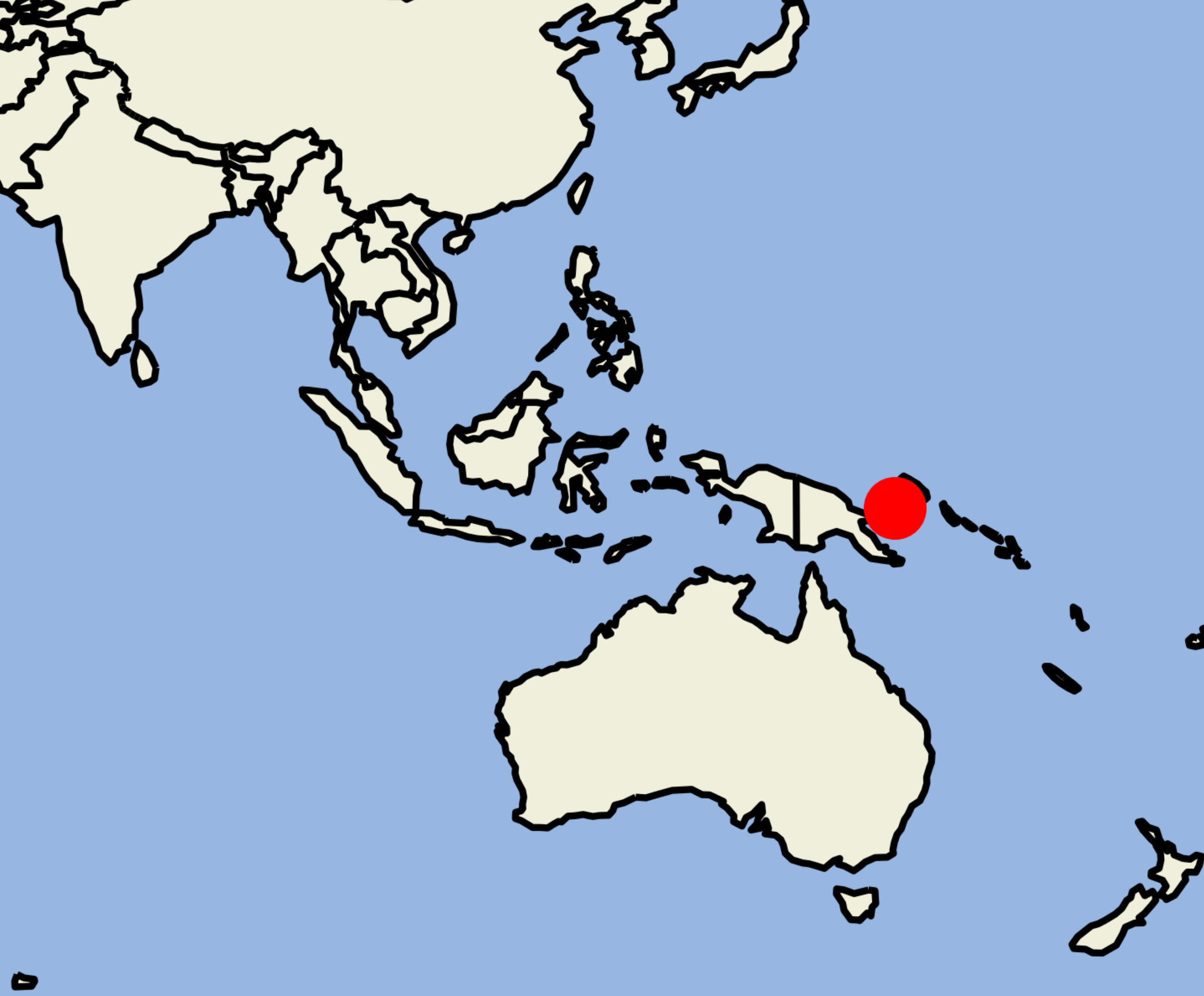
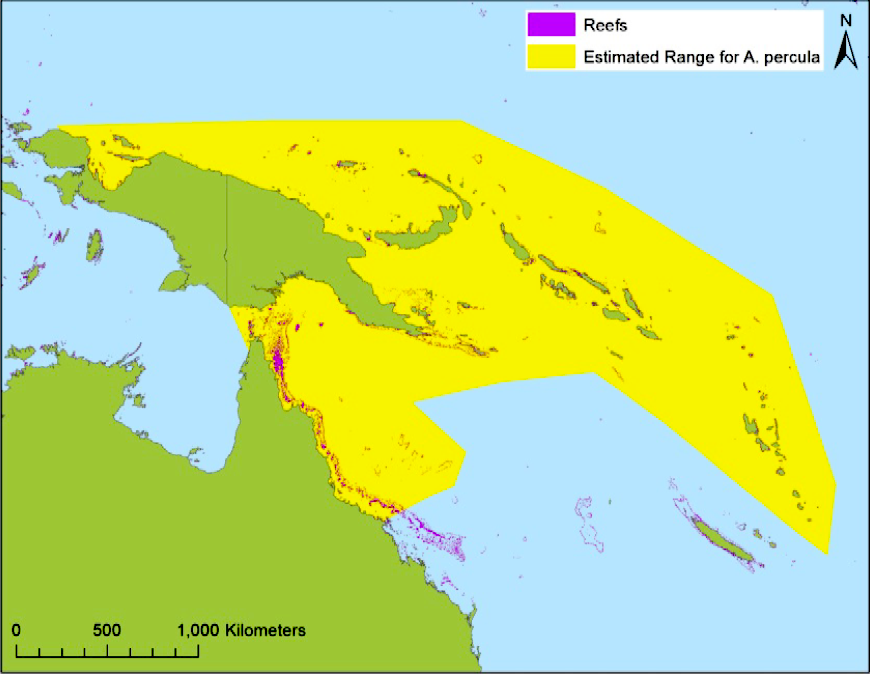
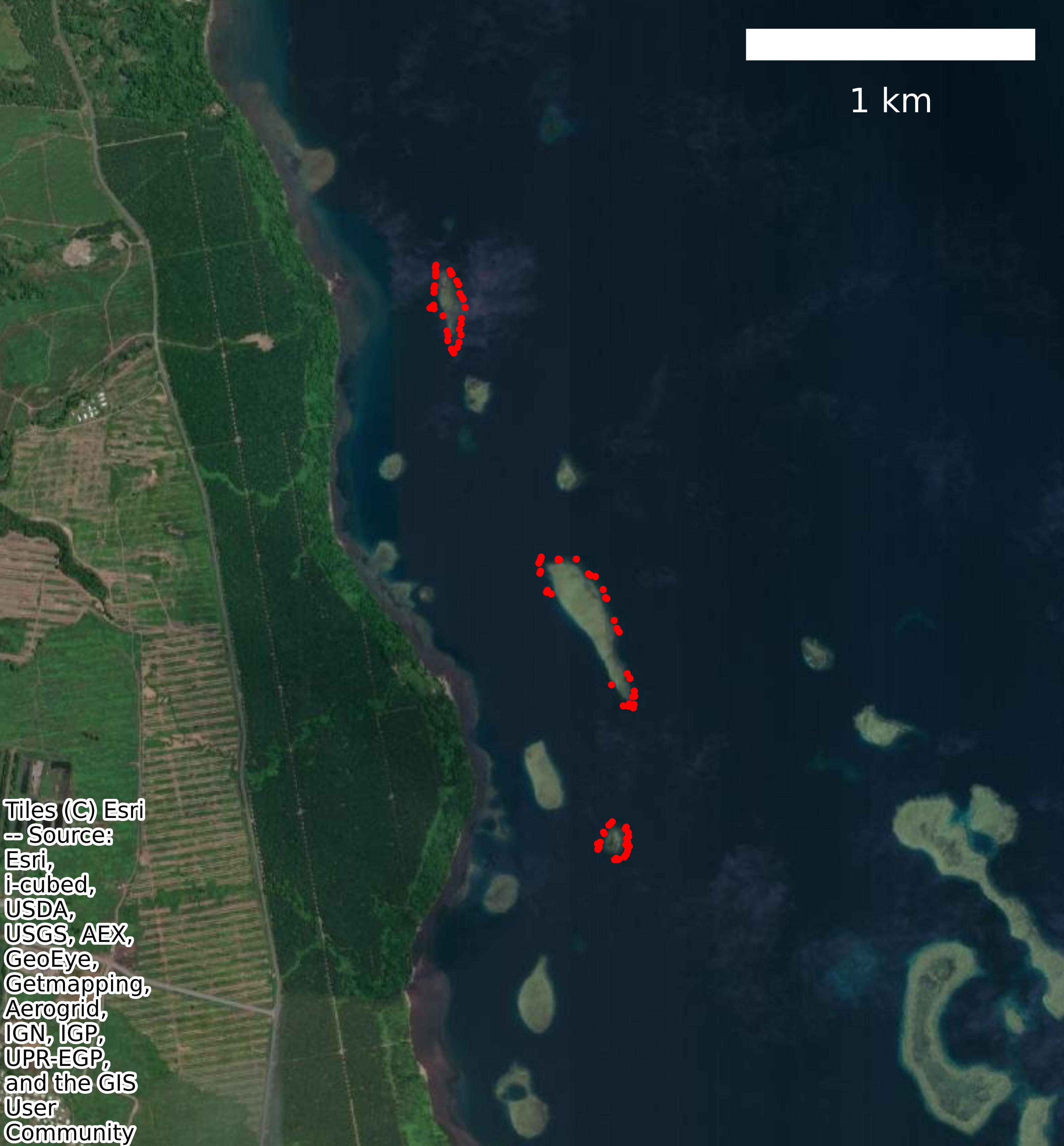
Social Groups
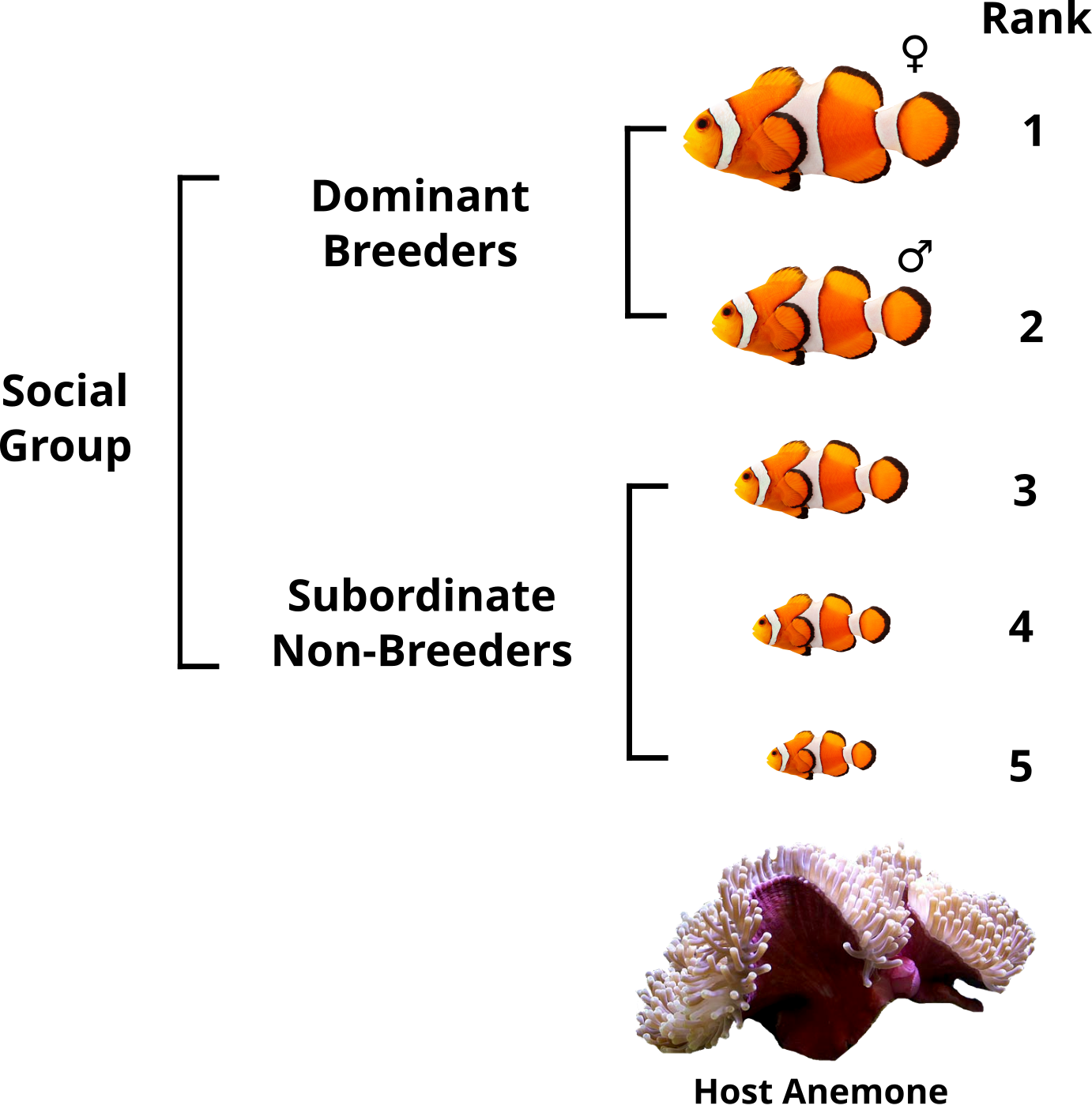
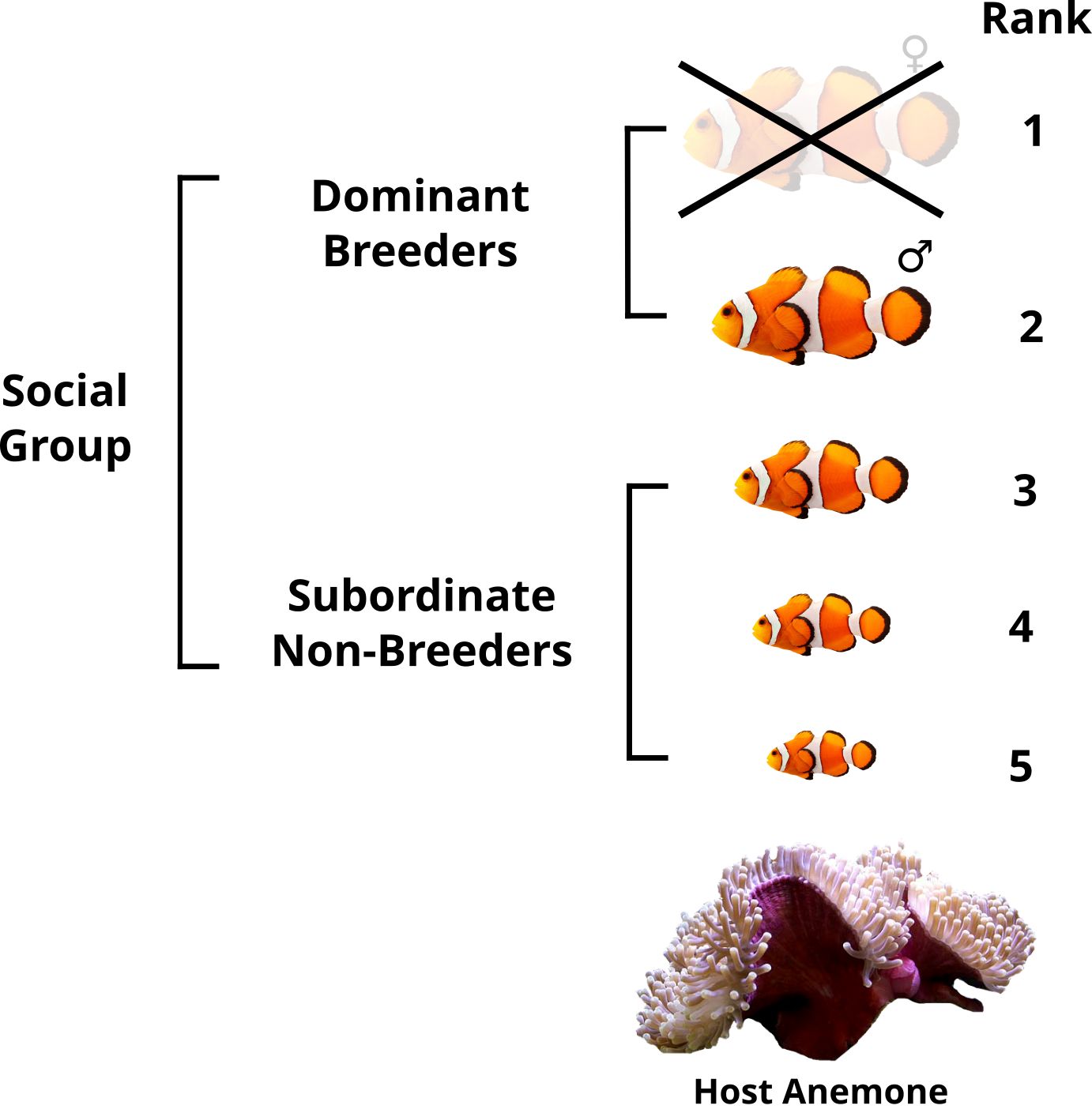
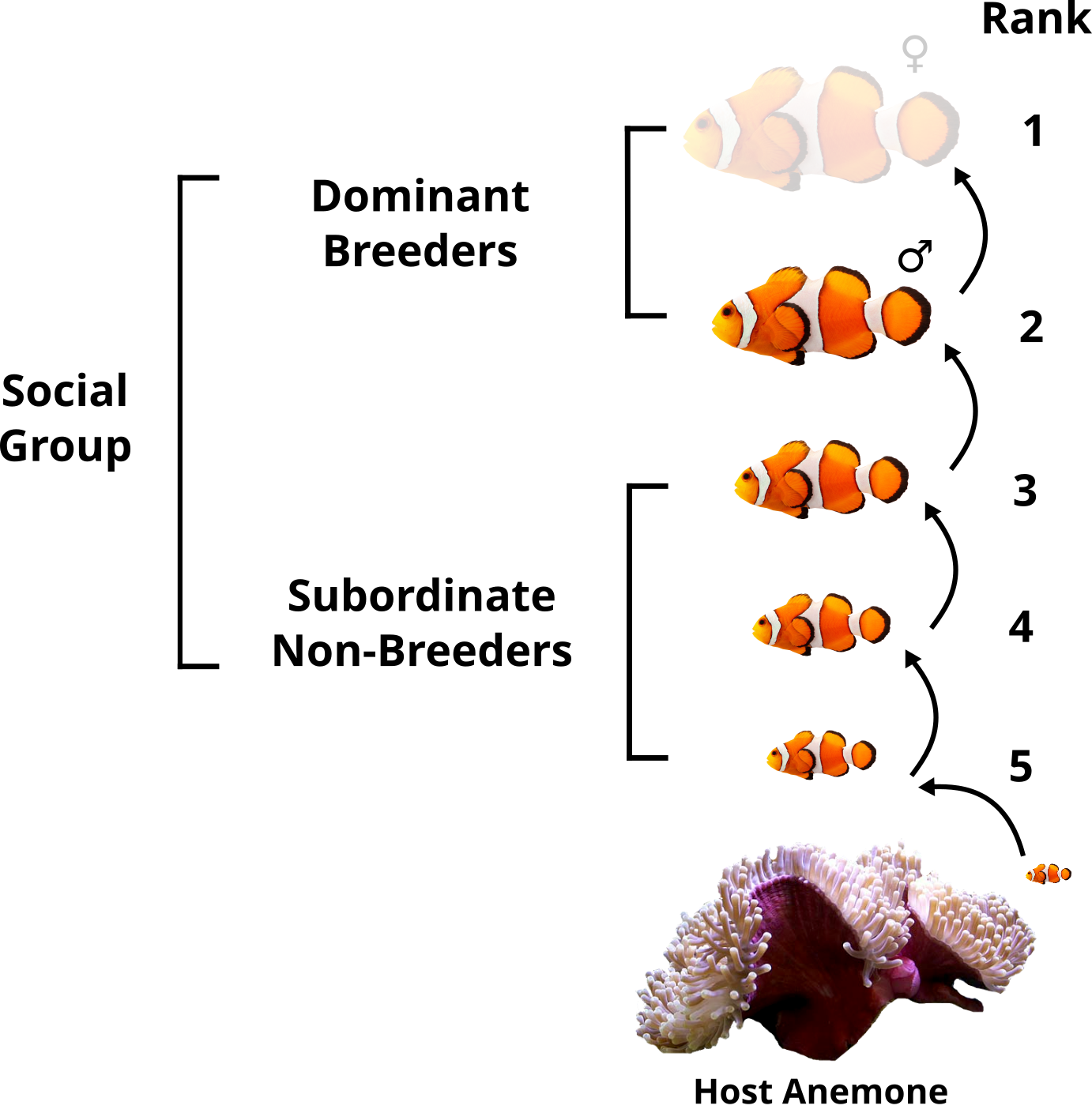
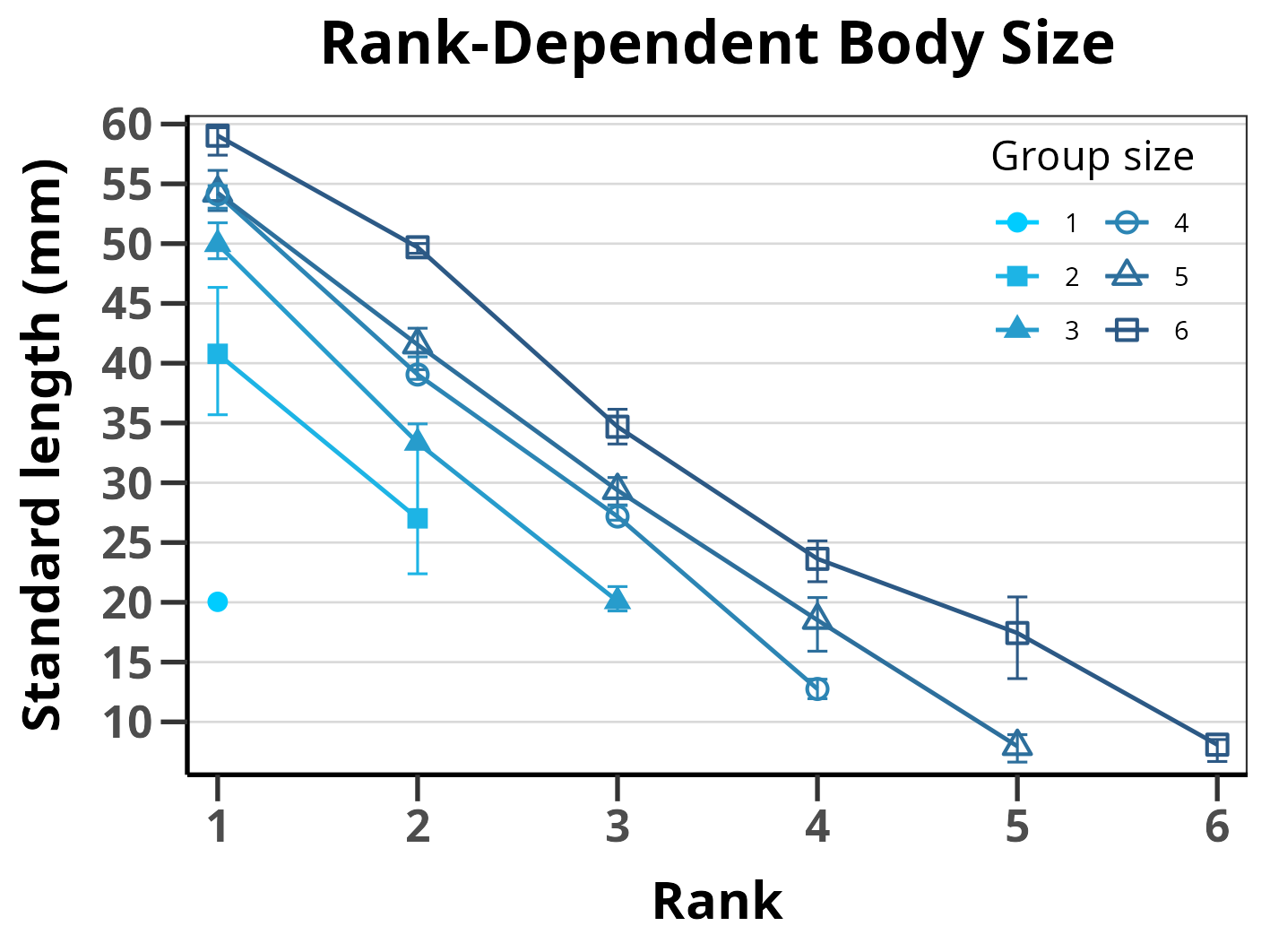
Buston & Cant 2006, Behavioral Ecology
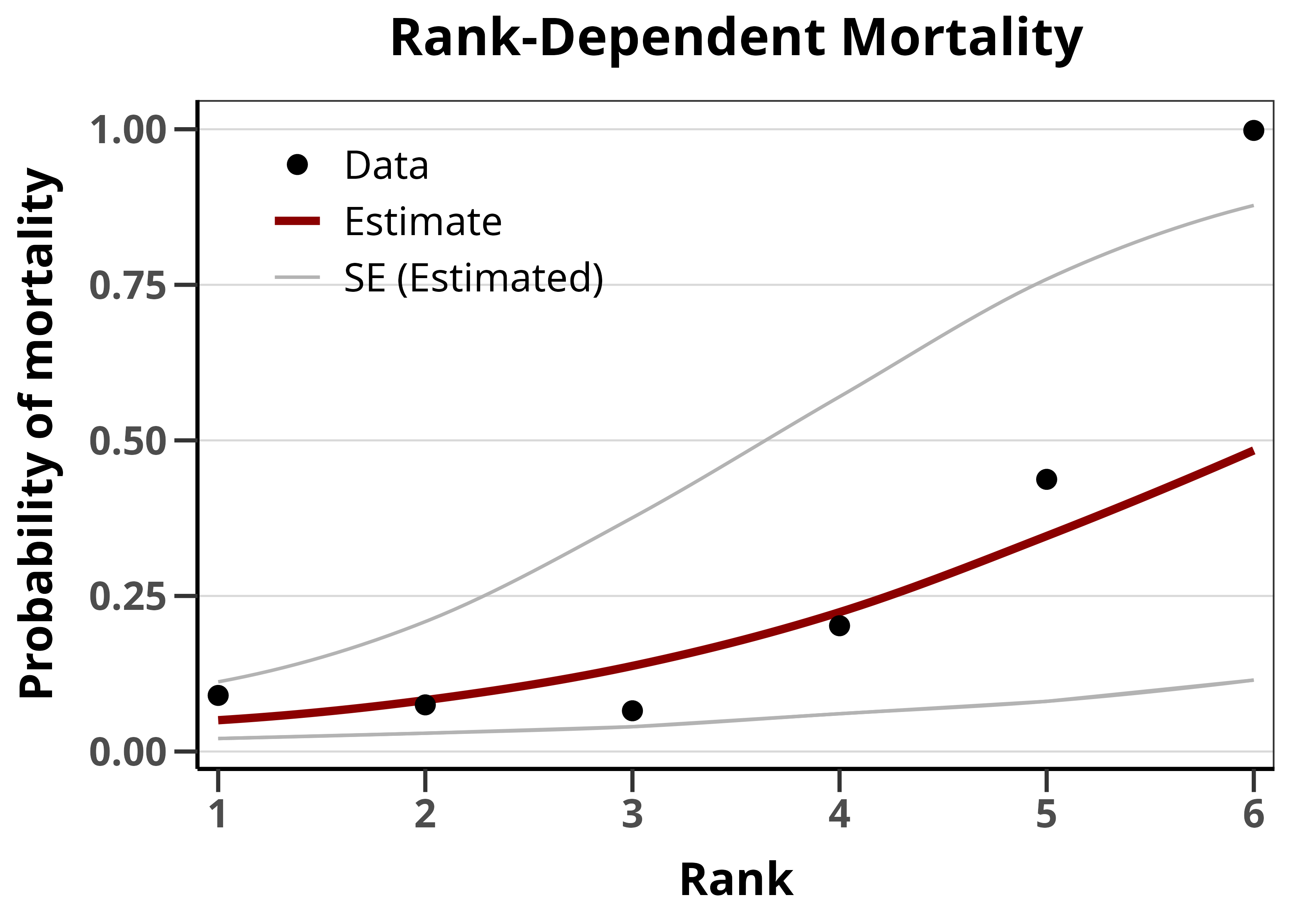
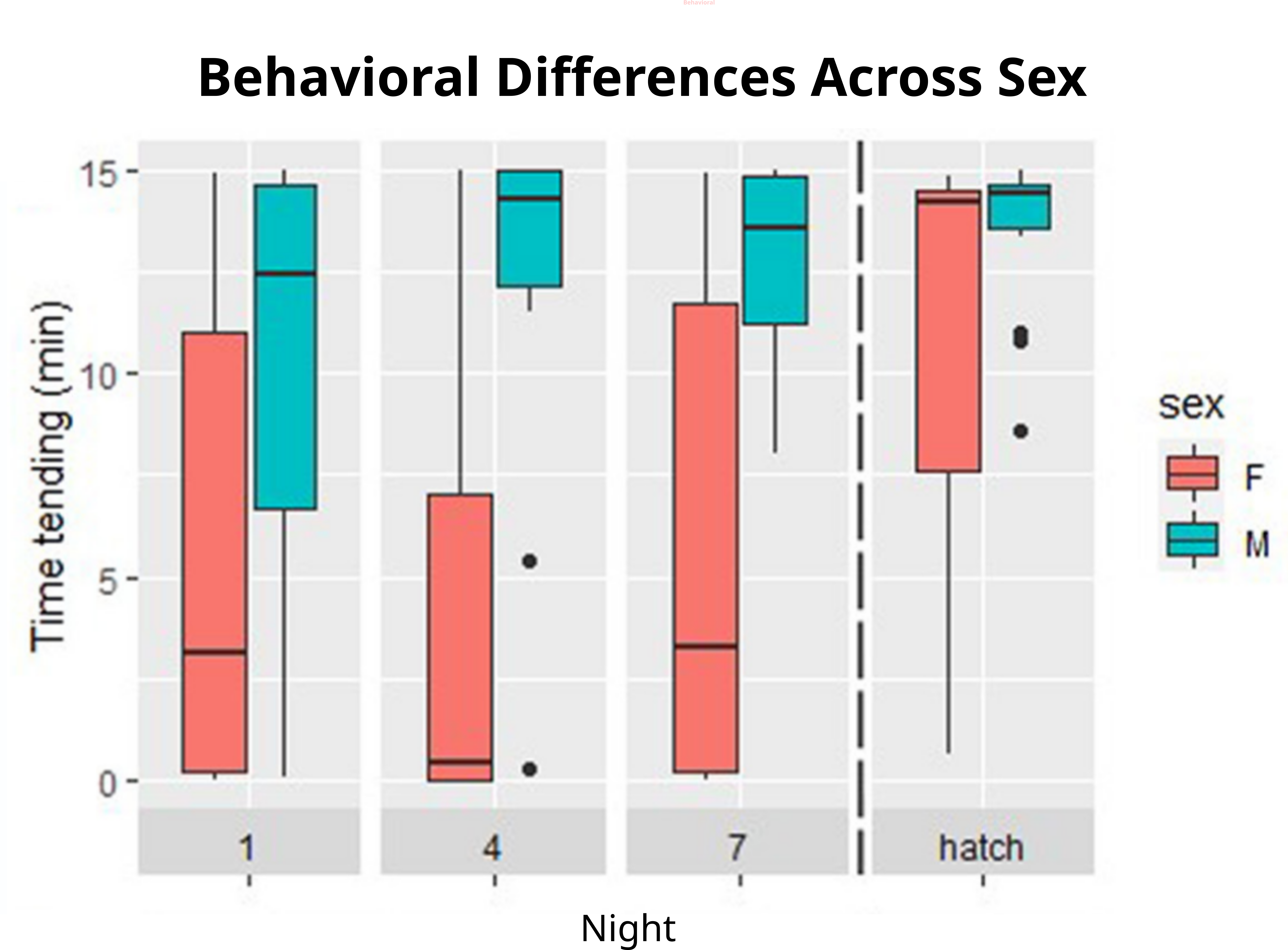
Behavioral Variation

Social Evolution
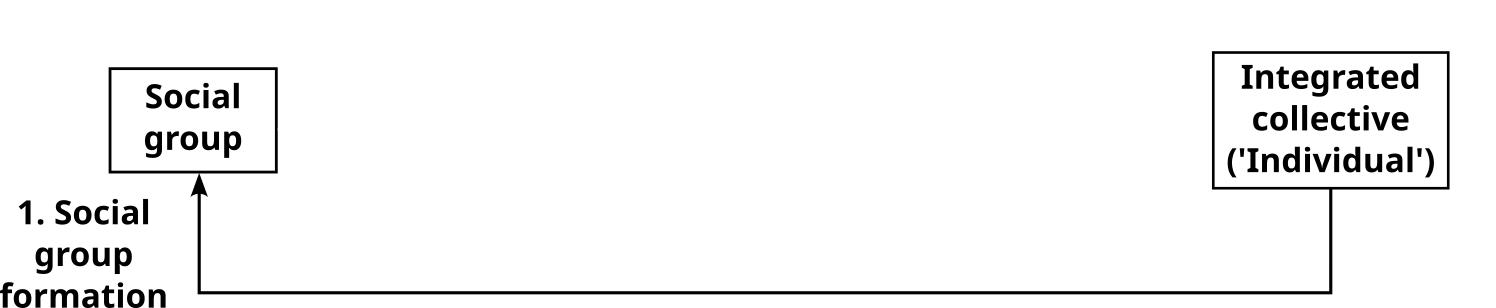
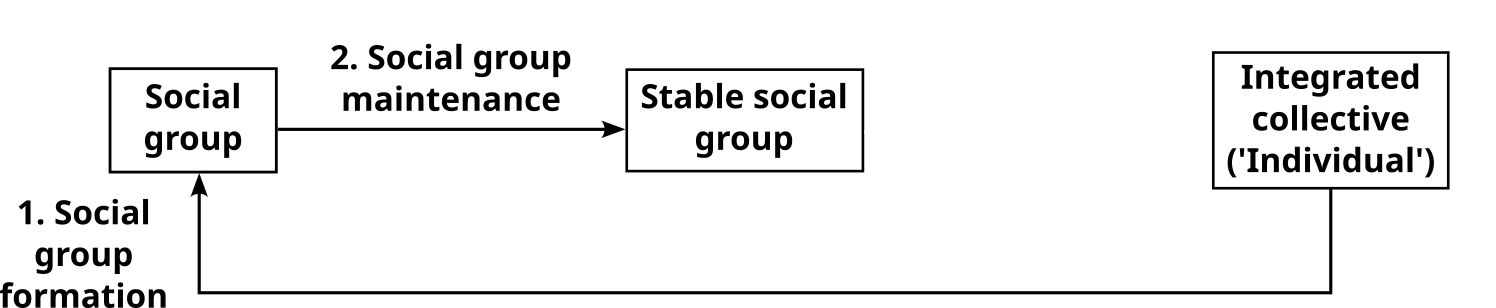
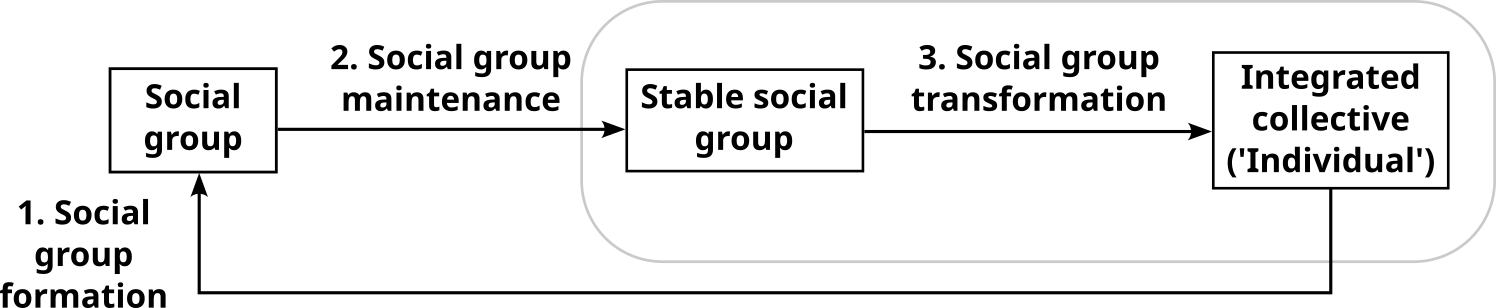
Size-Complexity Hypothesis
"The size–complexity hypothesis [...] predicts that [...] larger numbers of lower-level subunits select for increased division of labour."
- Bell-Roberts et al., 2024, Nature Ecology & Evolution
Social Evolution
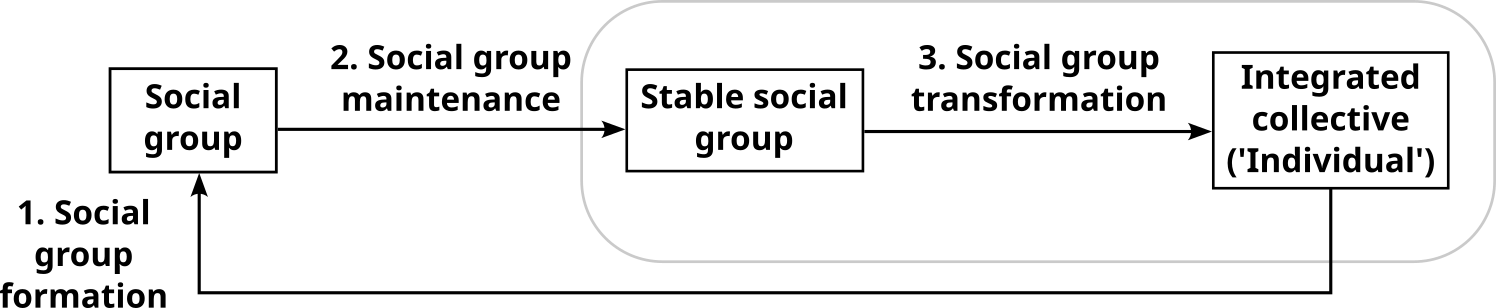
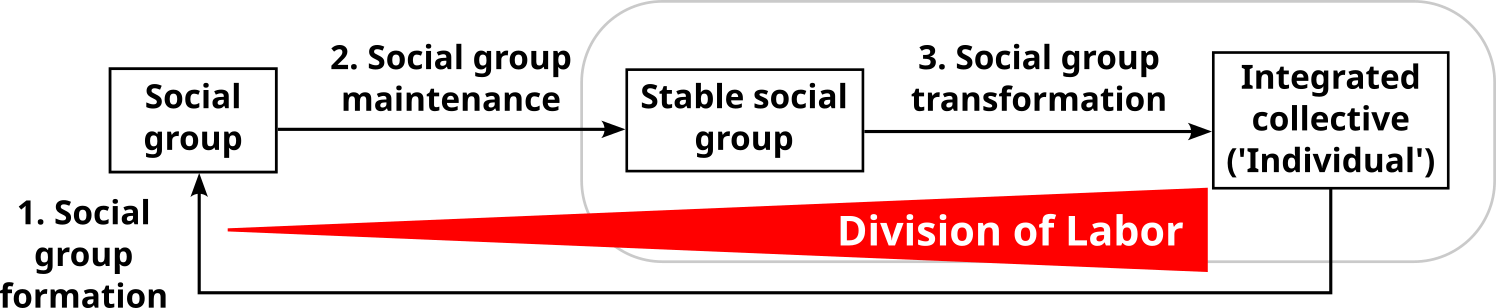
Division of Labor
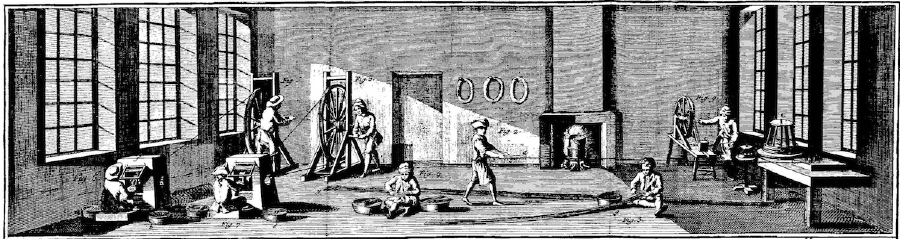
"[...] the separation of a work process into a number of tasks, with each task performed by a separate person or group of persons."
- Encyclopaedia Britannica
Contemporary definitions include two forms of management:
- Control - Top Down Enforcement ⬇️
- Commitment - Bottom Up Emergence ⬆️
Division of Labor
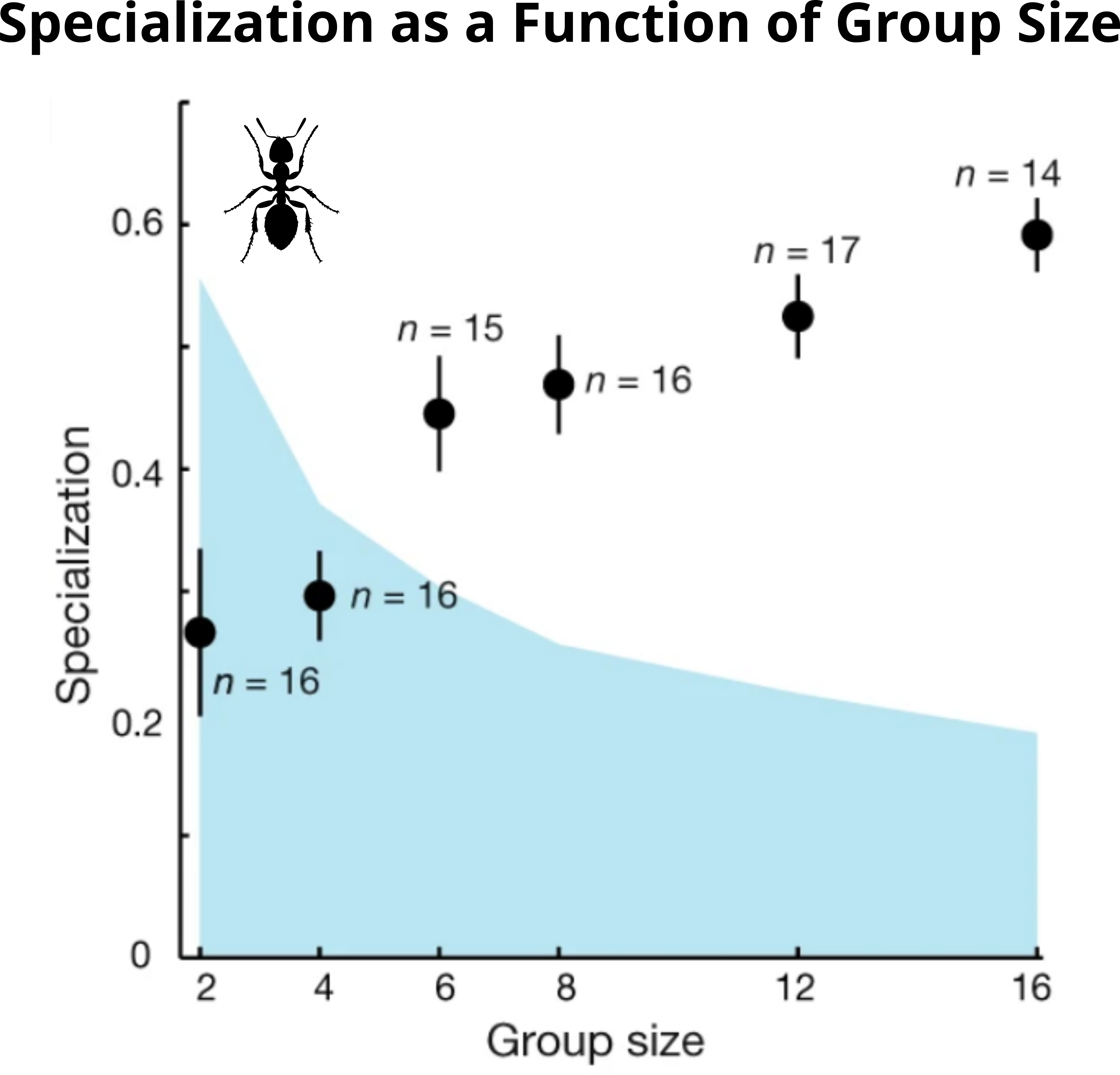
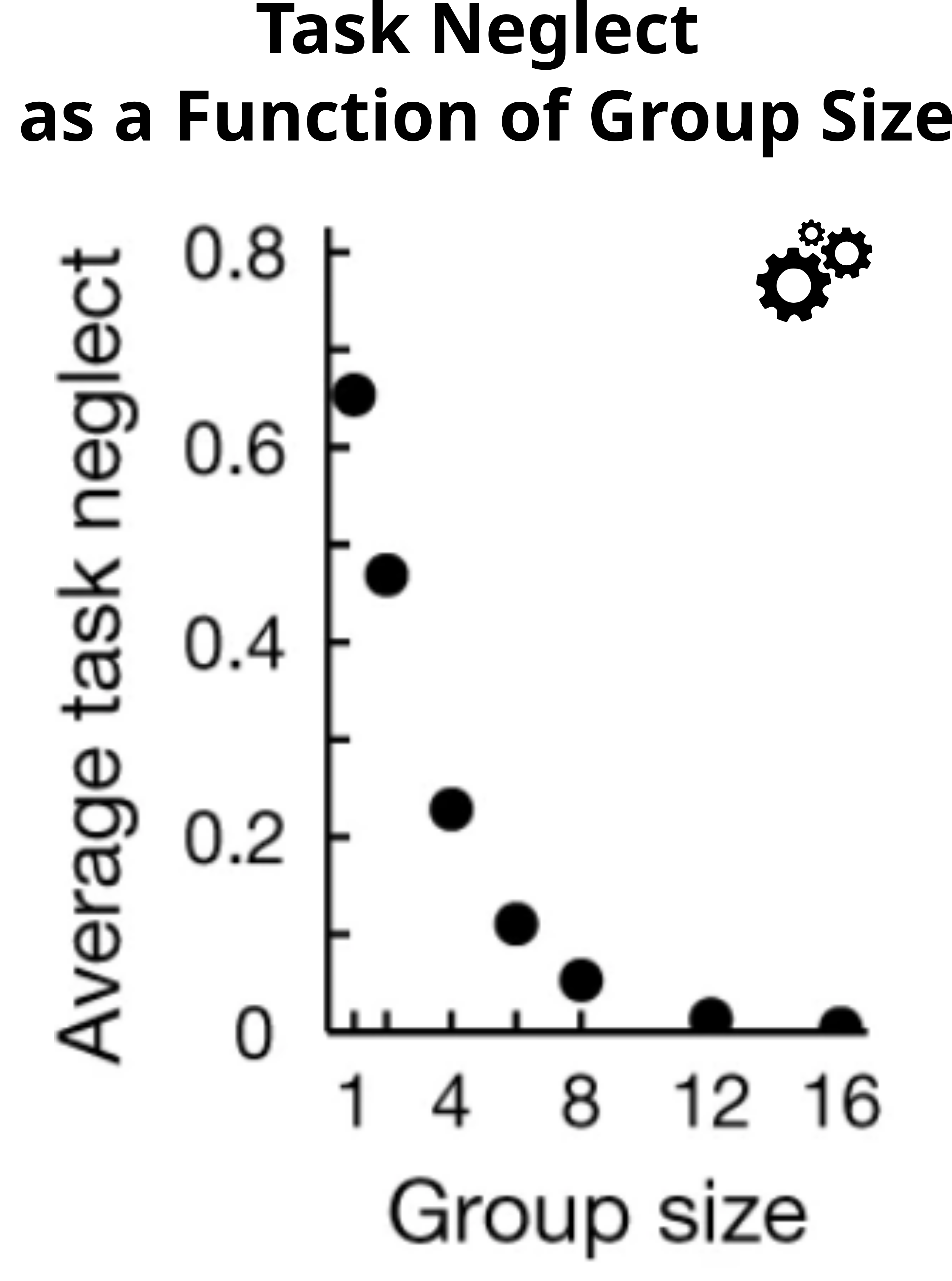
Objective I
-
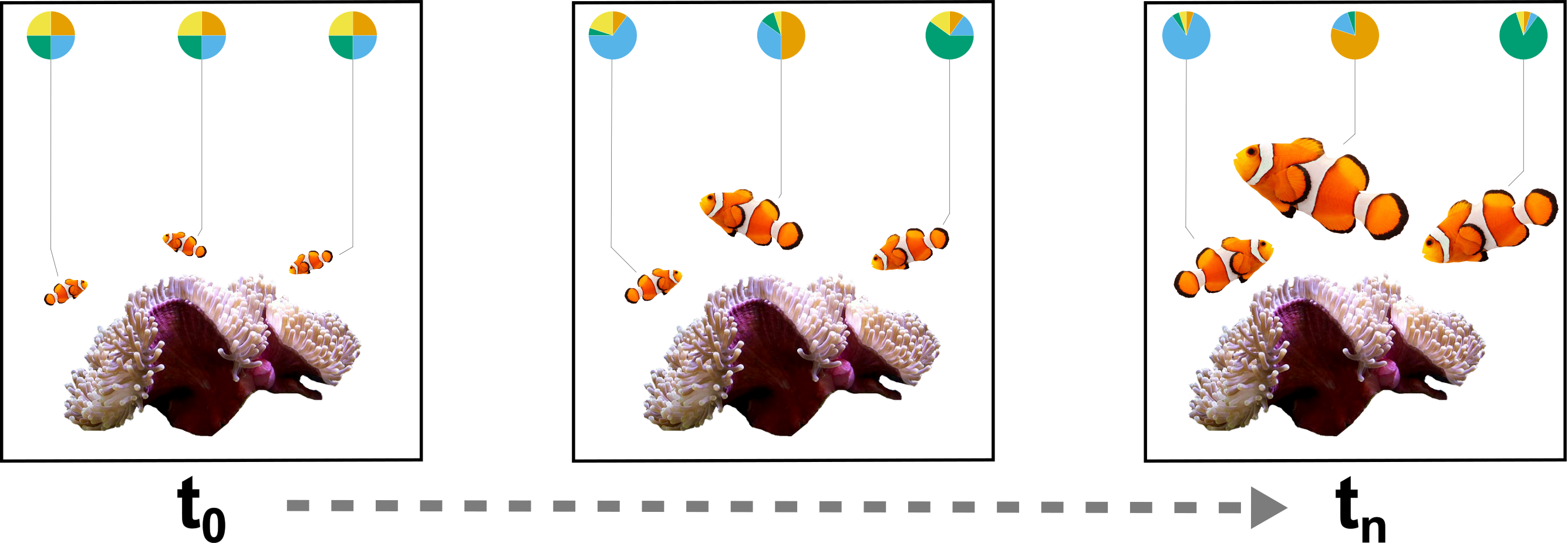
Objective I: Investigate the emergence of division of labor at the initiation of social groups
- Hypothesis: Individuals in newly formed social groups gradually specialize in particular behaviors, leading to an emergent division of labor.
- Predictions:
- Individual behavior will become increasingly consistent over time, indicating behavioral specialization.
- Specialization of individual behaviors will result in complementary roles, producing a measurable division of labor within the group.
- Behavioral changes will precede observable morphological changes associated with specialized roles.
Objective II
-
Objective II: Experimentally test the size-complexity hypothesis in social groups
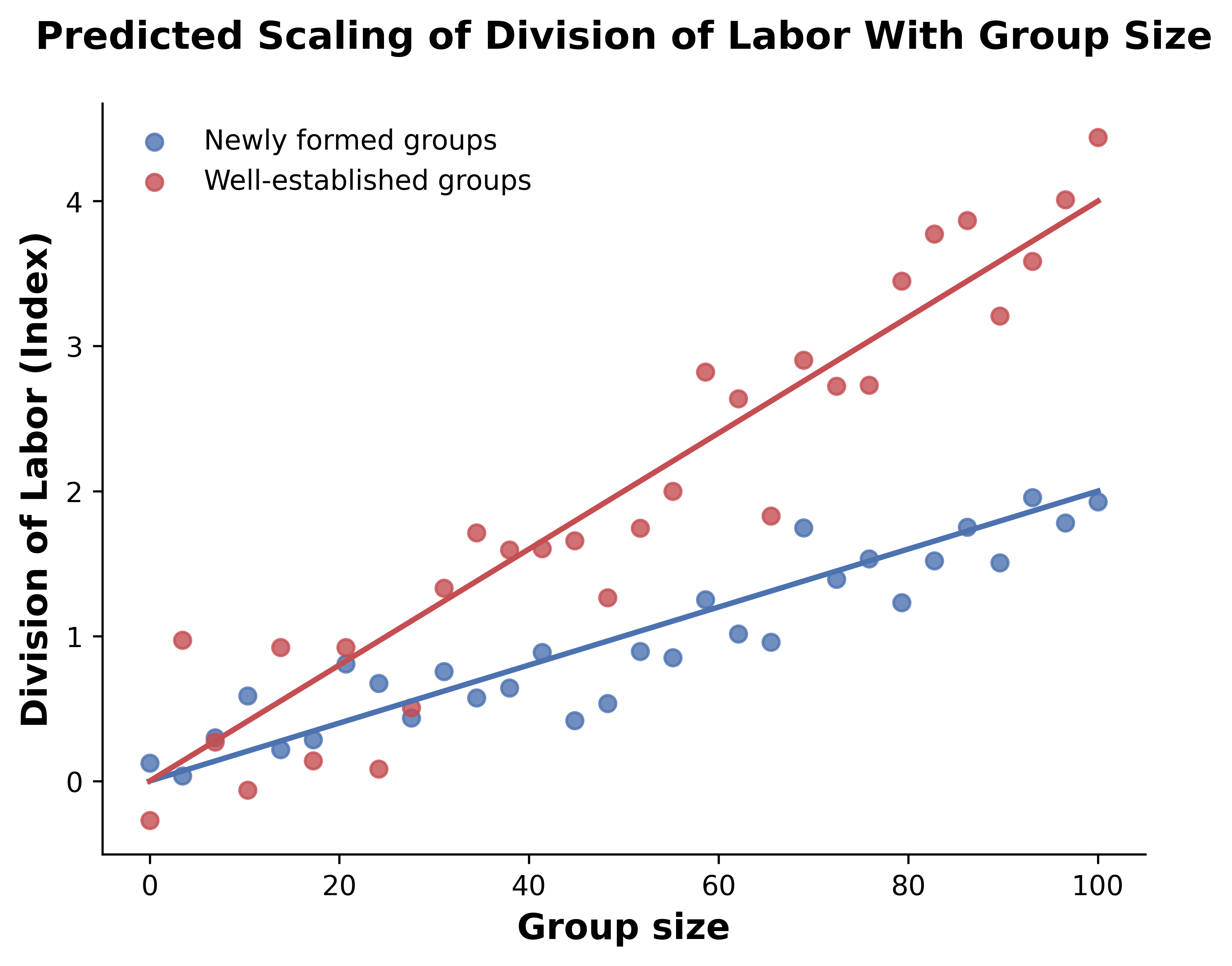
- Hypothesis: The degree of division of labor increases with group size in established social groups.
- Predictions:
- Larger, well-established social groups will exhibit a higher degree of division of labor compared to smaller or newly formed groups.
Methods
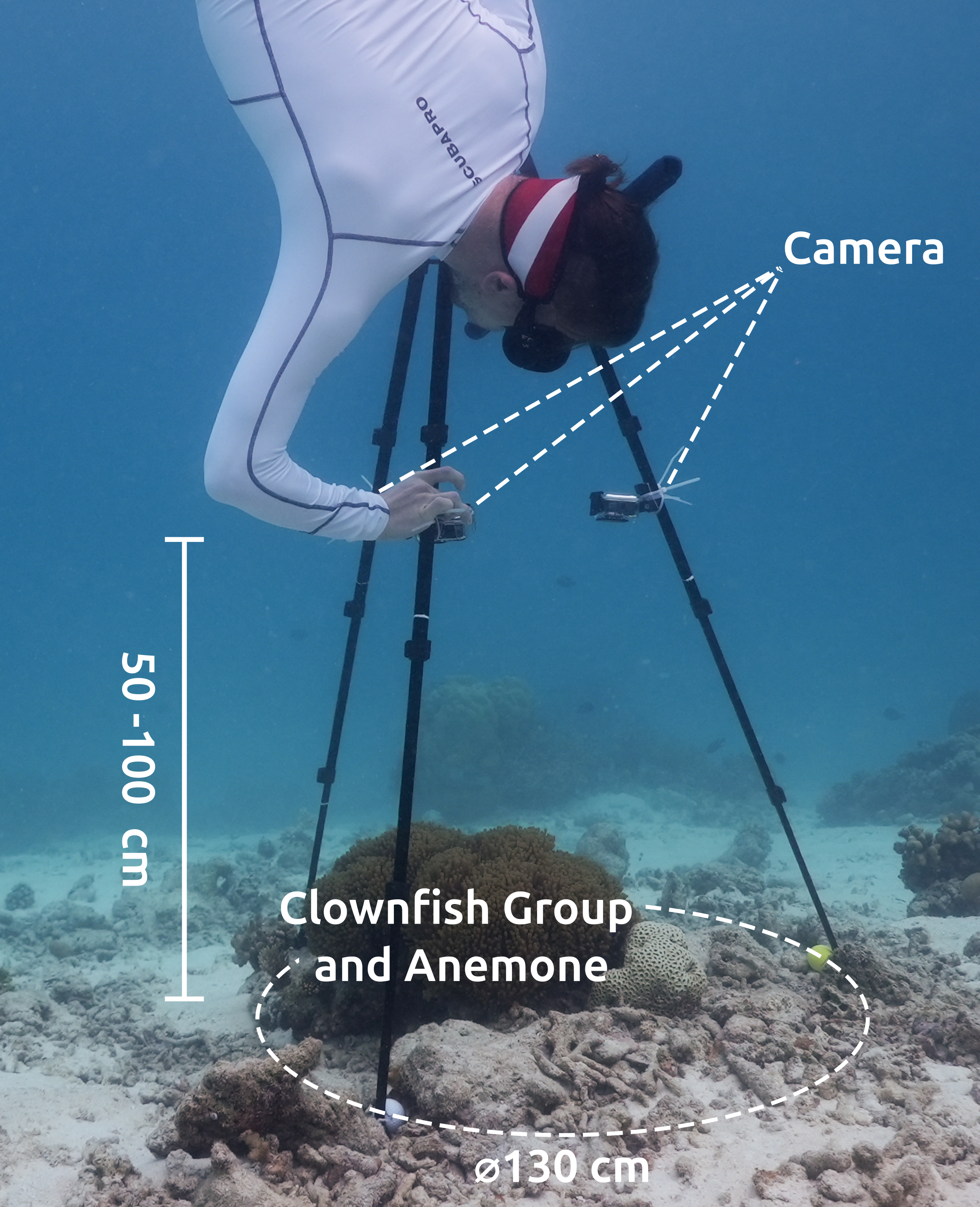
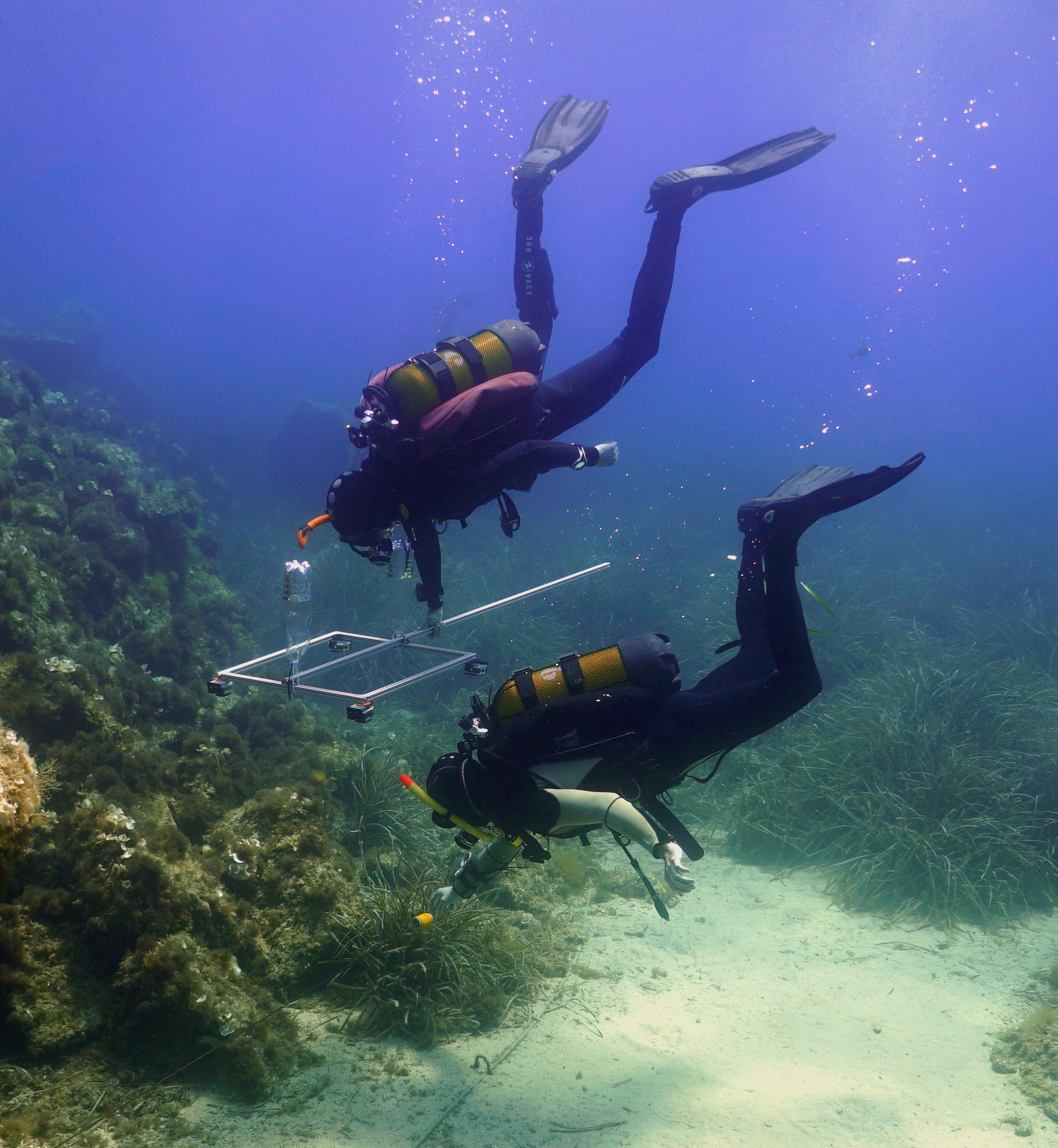
- Synchronized, Calibrated, Multi-view Recordings:
- GoPro 11, RGB, 60 fps, 2704x1520 px
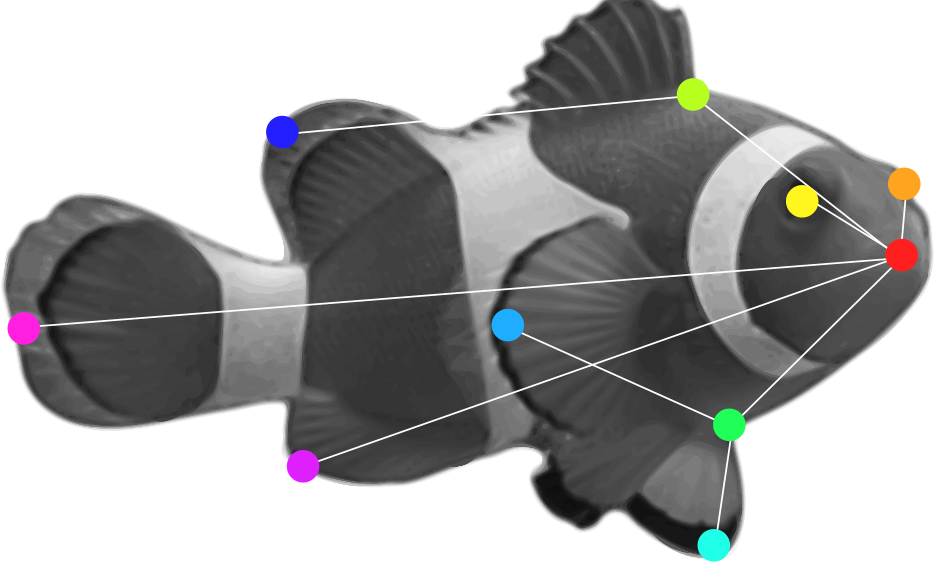
- Key-Point Detection
- 10 distinct Key-Points
- Behavioral Quantification
- Spatial Distribution
- Causal Discovery and Inference
Thank you!
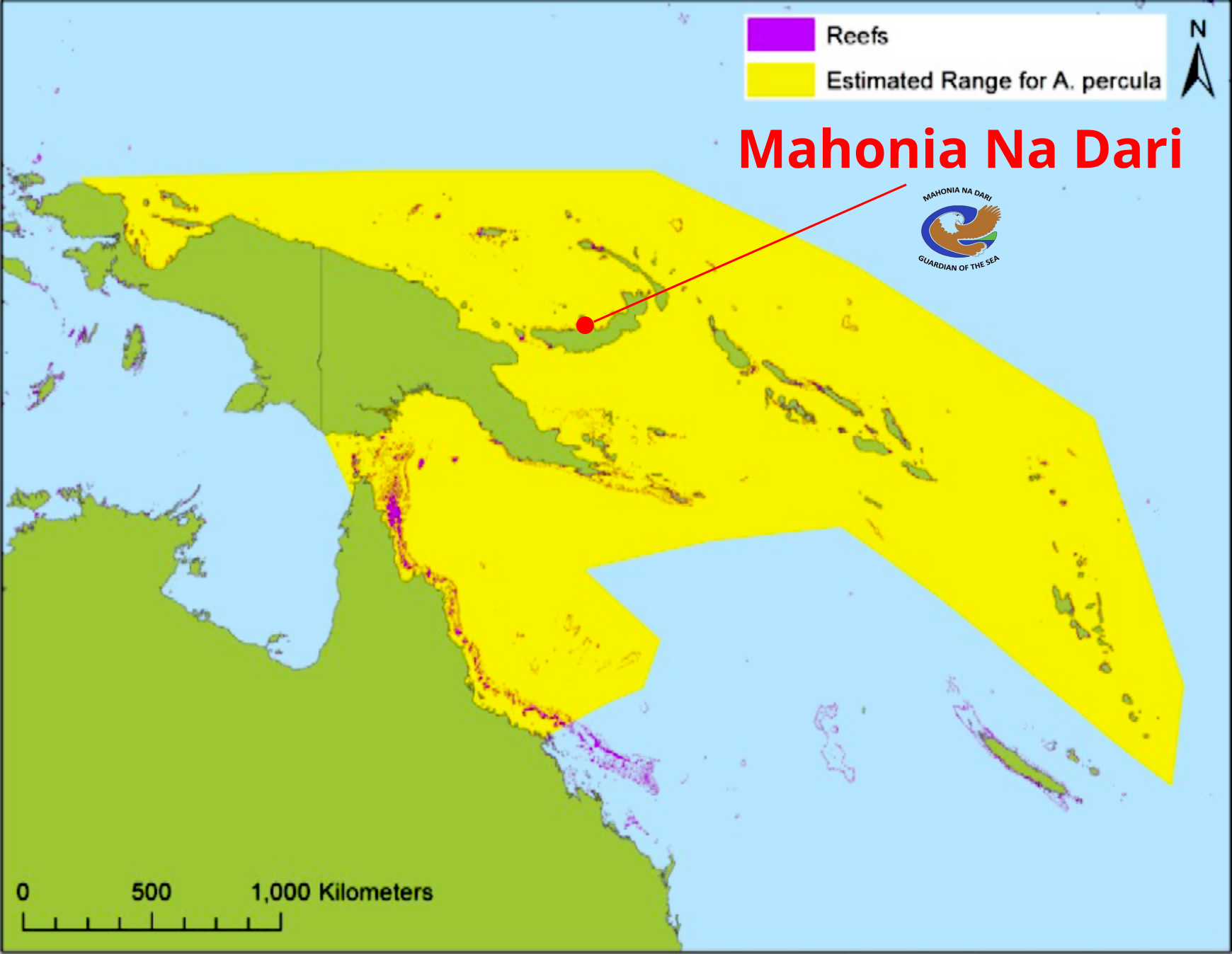
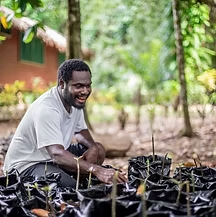
Mahonia Na Dari


Collaborators

Boston University

Cornell
Buston Lab